
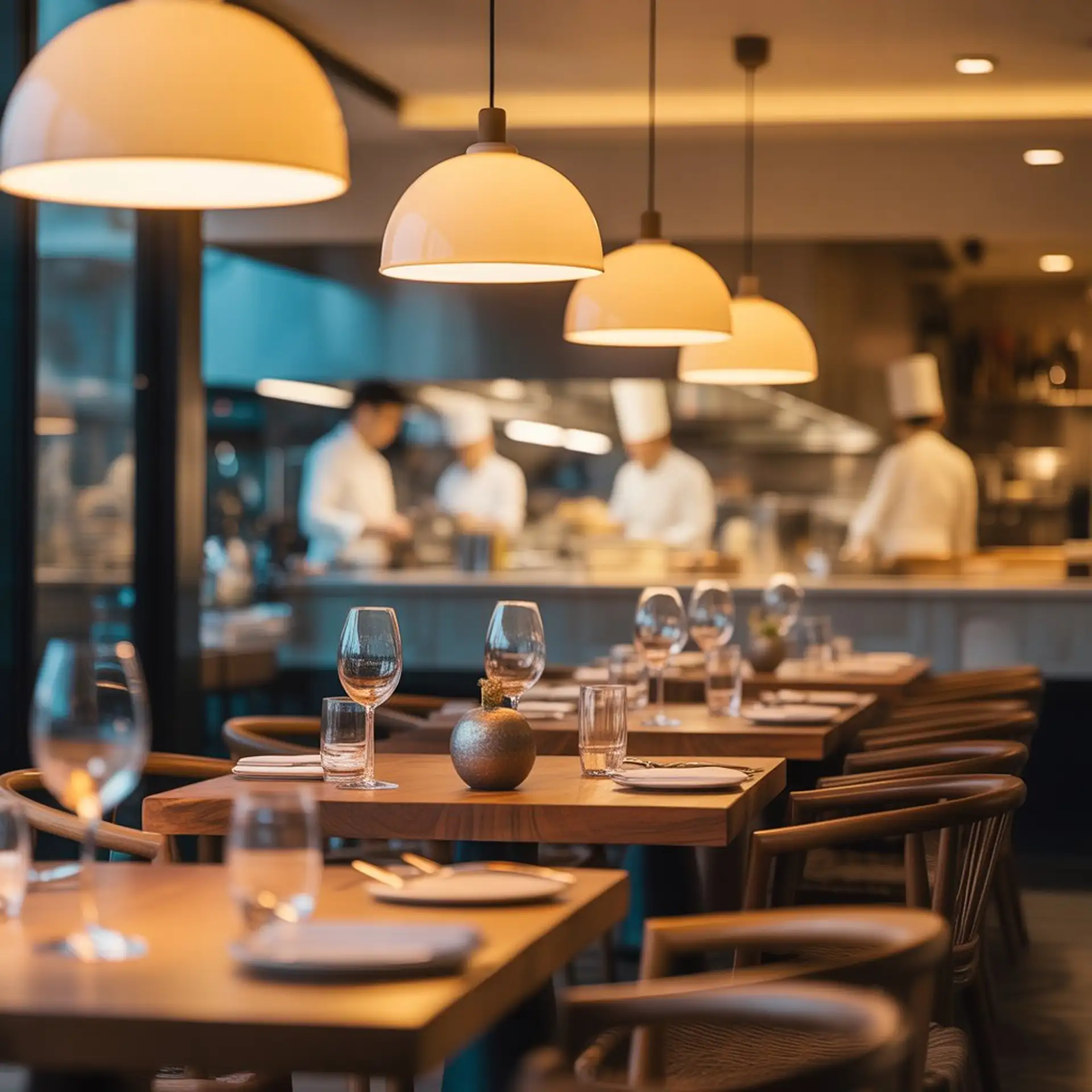
restaurant
Food is language and we all know it, but in the restaurant we can definitely realize ourselves in this language. Restaurant eating has passed out of being merely a necessity to a high-culture phenomenon with the very first restaurants opening several hundred years ago.
A modern day restaurant is not just a place to feed the stomach but also a socializing place, a place of gustatoriness and an important component of the local economy. You may be an average customer in the food place, and you need a fast bite or a man with the Michelin star palate, the news about the modern world of the dining business can give you a lot of good fortune during your next restaurant visit.
As History and Evolution of Restaurant.
Restaurant is a French word which has a meaning of restaurer; restaurer translates to put back to shape. The earliest of the name in Paris in the 18th century were the restaurants that served large quantities of broths, which were supposed to recover the sick traveler.
From Bouillon to Fine Dining
The inns provided in the pre-modern period were characterized by common tables given to the customers who did not have a choice over the menu. With the onset of the restaurants with a menu card (the old fashioned menu) and separate tables, the revolution was achieved.
The French Influence: The unemployed royal chefs started to open their own shops as the revolution in France took place and introduced the high standard cooking to the people.
Industrial Boom: Cities began growing and, as the population of the city required the opportunity to eat fast and cheap, the fast-food chains and diners appeared.
The Digital Era: So far, the business is characterized by the existence of ghost kitchens, food delivery apps, and very instagrammable interior design.
What is the correct way to select the right Restaurant to visit?
There are a thousand alternatives in your fingertips and therefore, you can hardly make a choice about the right restaurant. You just need to find the right mood and feel of the services of the place and customize it to your personal requirements.
Fine Dining (The High End Experience).
These restaurants put the focus on the service, the atmosphere and the ingredients. It will be multi course, wide wine menu and dress code. They work best when they are handling anniversaries or when handling high profile business meetings.
Casual Dining
The most frequent ones are the casual restaurants that have moderate menus and do not cause any tension. The default resolutions of families and friends are such.
Contemporary Casual
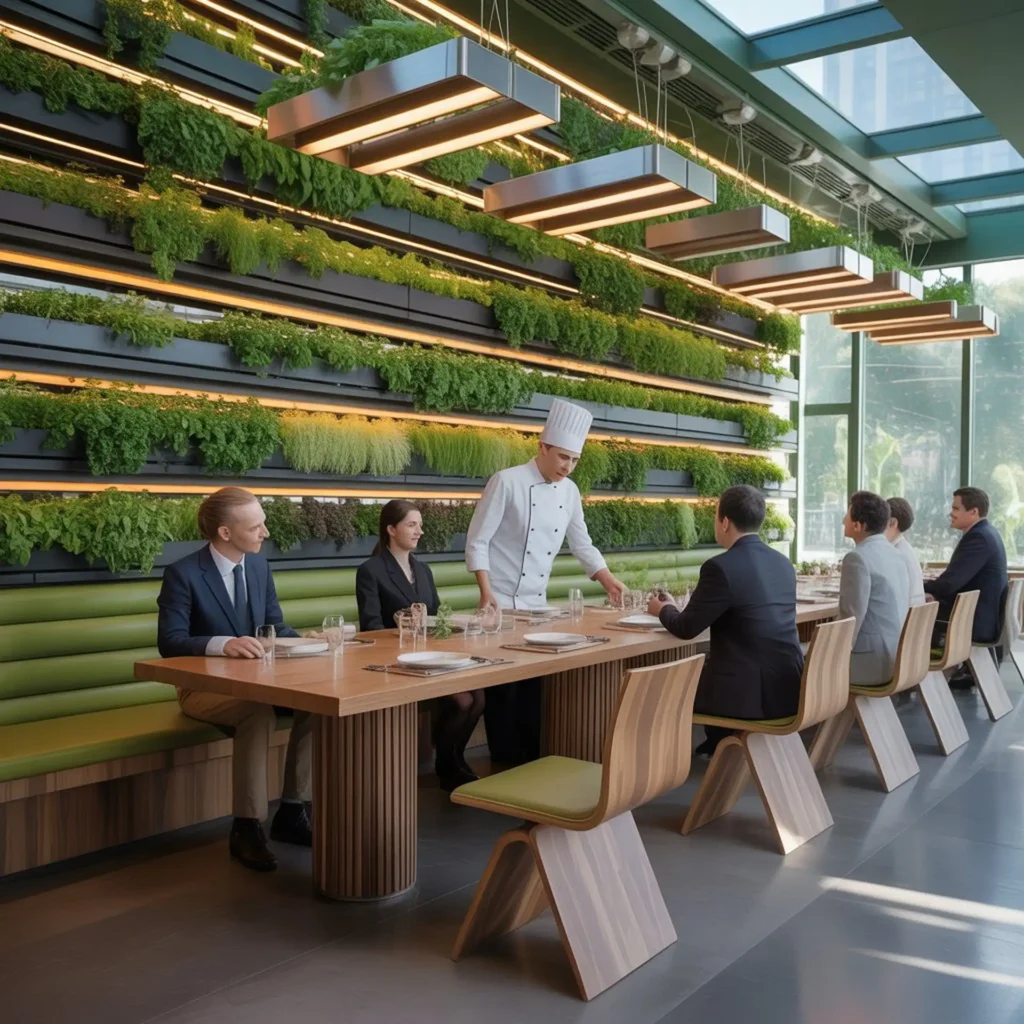
They are trendy and environmentally aware destinations, an emergent one. They could have a niche in as far as farm-to-table foods or vegan foods are organic and are popular in the cities.
Fast Casual
Make them a compromise between fast food and casual food. You place an order at a counter yet there is quality improvement in ingredients used in the preparation to better food than a normal drive- thru.
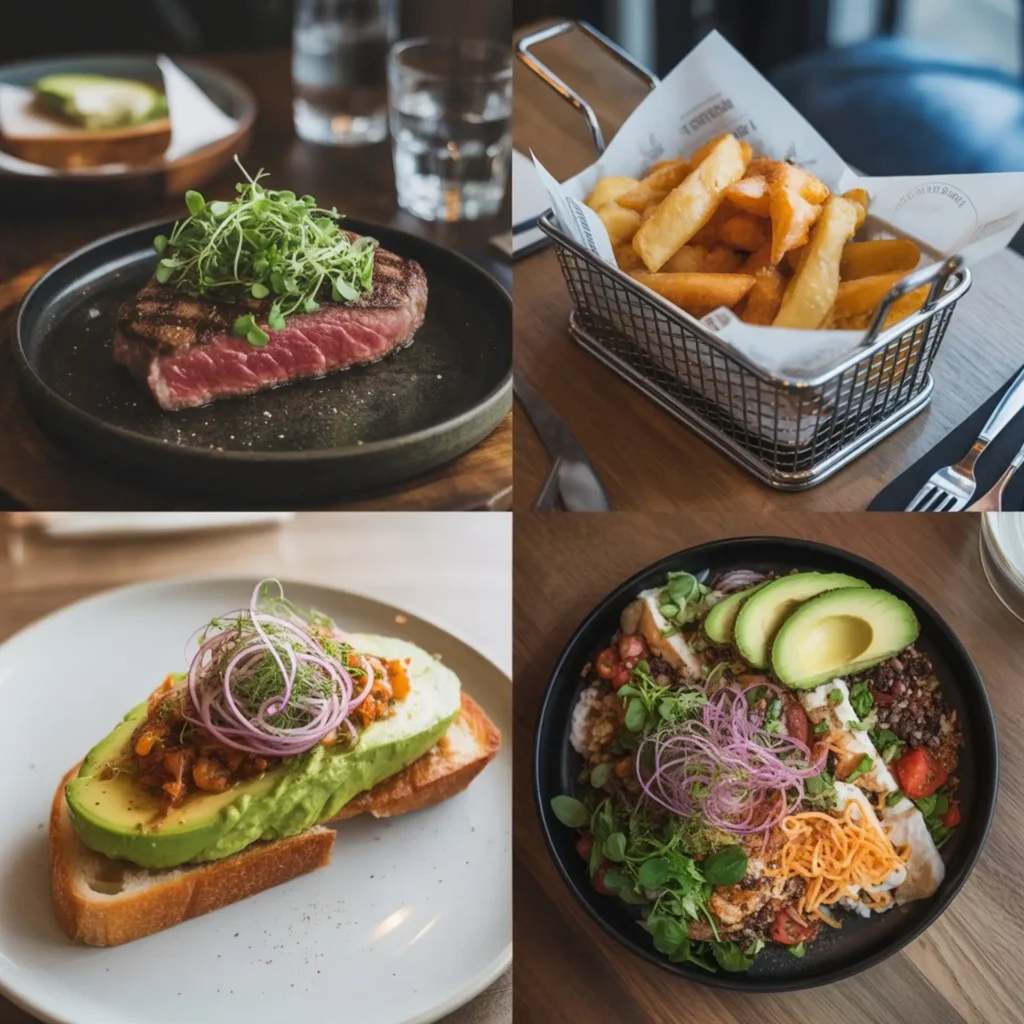
The Great Restaurant: What and Who is the Real Deal?
In addition to the food taste, there are a number of intangibles of a successful dining experience. You should watch these Green Flags, in case you desire to have a new domicile and make it your favourite:
Exceptional Service
A great server acts as a guide. They ought to be conversant with the menu, in auditory and non-auditory ability, and; they must be competent to respond to special dieting requests without much strain.
Atmosphere and Ambiance
Sound and seating arrangement, and lighting is immense. It is not possible to talk in the restaurant that is too noisy or it cannot be inconvenient to read the menu in the restaurant that is too dark. Ideally, the most sought after places are the posh and nice ones.
Consistency
Consistency is an attribute of the professional kitchen. You must be able to have your favorite meal on a Tuesday afternoon and even on a Saturday night and have it served with an ideal match.
Cleanliness
This is non-negotiable. The hygiene of any restaurant reflects the attention of the kitchen until the area where the foyer is situated up to the bathrooms.
The smart diner business secrets.
In order to receive the best treatment of going to any restaurant, you can use the following tips that are practical and adopted by food critics and people who are in the industry:
Book Mid-Week: Does the chef need to be addressed? Go on a Wednesday or a Tuesday. The kitchen is not as pressurized and the service can be made more intimate.
Status Ghost Kitchen: In case you have ordered something to have it delivered, you should not forget to make sure that the restaurant you place a delivery order is a brick and mortar restaurant. The requirements of the quality control of the real brick and mortar location are typically higher than with delivery-only brands.
Order the Special off the menu: There are many good restaurants that have a special of the day and it is different how the freshness of the market is that day.
Receive Reviews, but Be Critical: Find a Pattern in Reviews. A single incident can be an exemption but twenty instances of cold food prove that there is a broad issue.
The Domestic Style and the International Style.
The modern restaurant market is breaking the boundaries. The trend is huge influx of Global Fusion where the indigenous ways are blended with the local products.
The Farm-to-Table Movement
People are now raising the topic of source of their food. This has seen the mushrooming of the restaurant business that directly relates to the local farmers that way, the vegetables you are eating on the table were picked a few hours ago.
Tech in the Dining Room
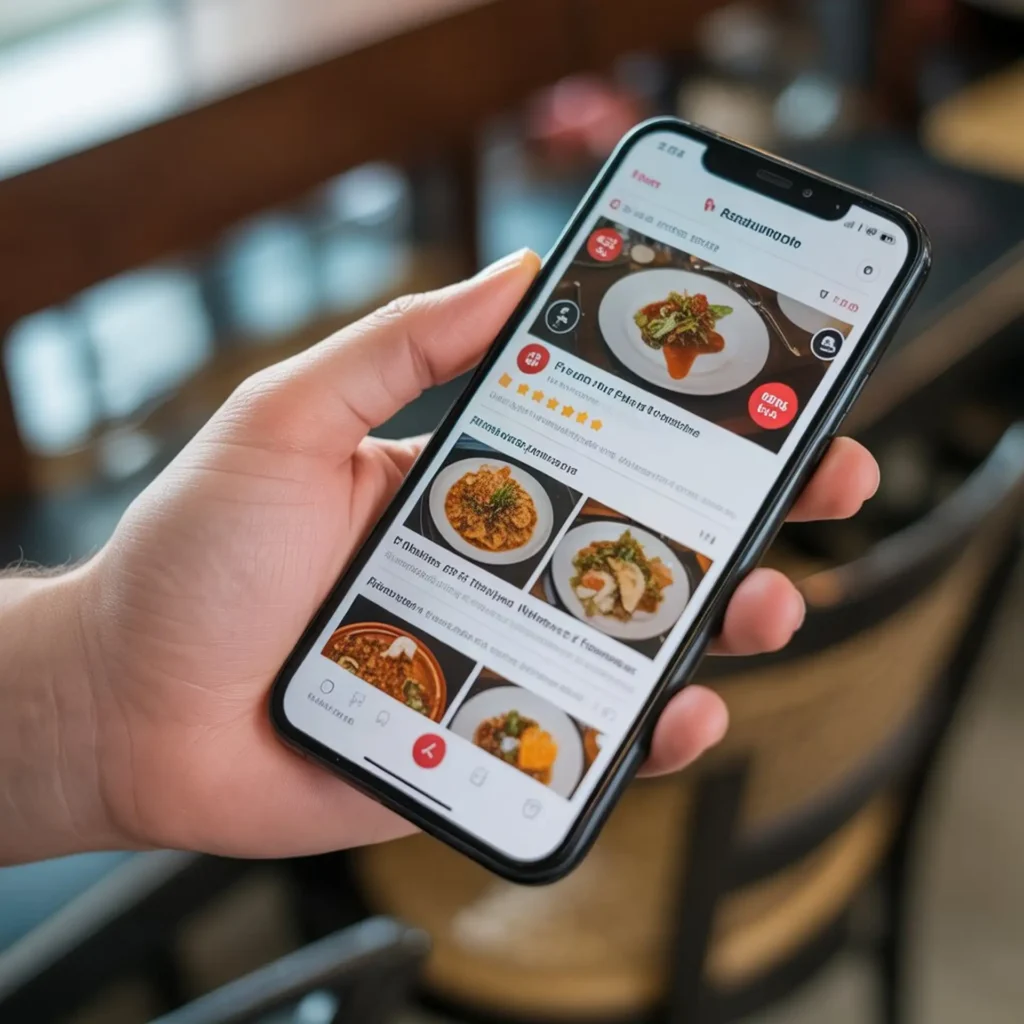
Technology is transforming how we relate to foods; QR code menus, robot waiters in technological hubs and such like. The most successful restaurants do use technology in the context of improving the human relationship and not the context of substituting the human connection.
How to manage your expectations: Pricing and Value.
Shocks on the sticker can be prevented using restaurant pricing knowledge. The typical cost of a meal typically is a cost of breakdown:
Food Cost (30%): The cost of the ingredients in position.
Labor (30%): It is the wages of the cookers, waiters and cleaners.
Other overheads (30): Rent, electricity and marketing.
Profit (10%): The that is left to the owner.
You are not paying 30 dollars of the pasta meal as you pay it but the price of the man who prepared the pasta and the ambience in the dining room where you are eating the pasta.
The Future of restaurants business.
The solution to the industry as we go into the year 2026 and beyond is sustainability. Not only has become a fashion but a necessity to remain relevant to eliminate single-use plastics, minimize food waste, and introduce more plant-based options.
Experiential Dining
People want a story. It may be open-kitchen and getting your meat roasted right before your eyes or it may be a thematic background, the future of the restaurant will be more of an adventure and not nutrition.
Overview: Find Your New Favorite Place.
The dining industry is very dynamic. An excellent restaurant will be in a position to make a lifetime out of an ordinary night. Now you can enjoy a different experience to your meal, now that you have been informed about the history, how the kitchen works and how much work goes into every plate.
The next time you are in the mood to have a meal, do not pick the first thing you come across. Discover the value places, neighbors and art.

