
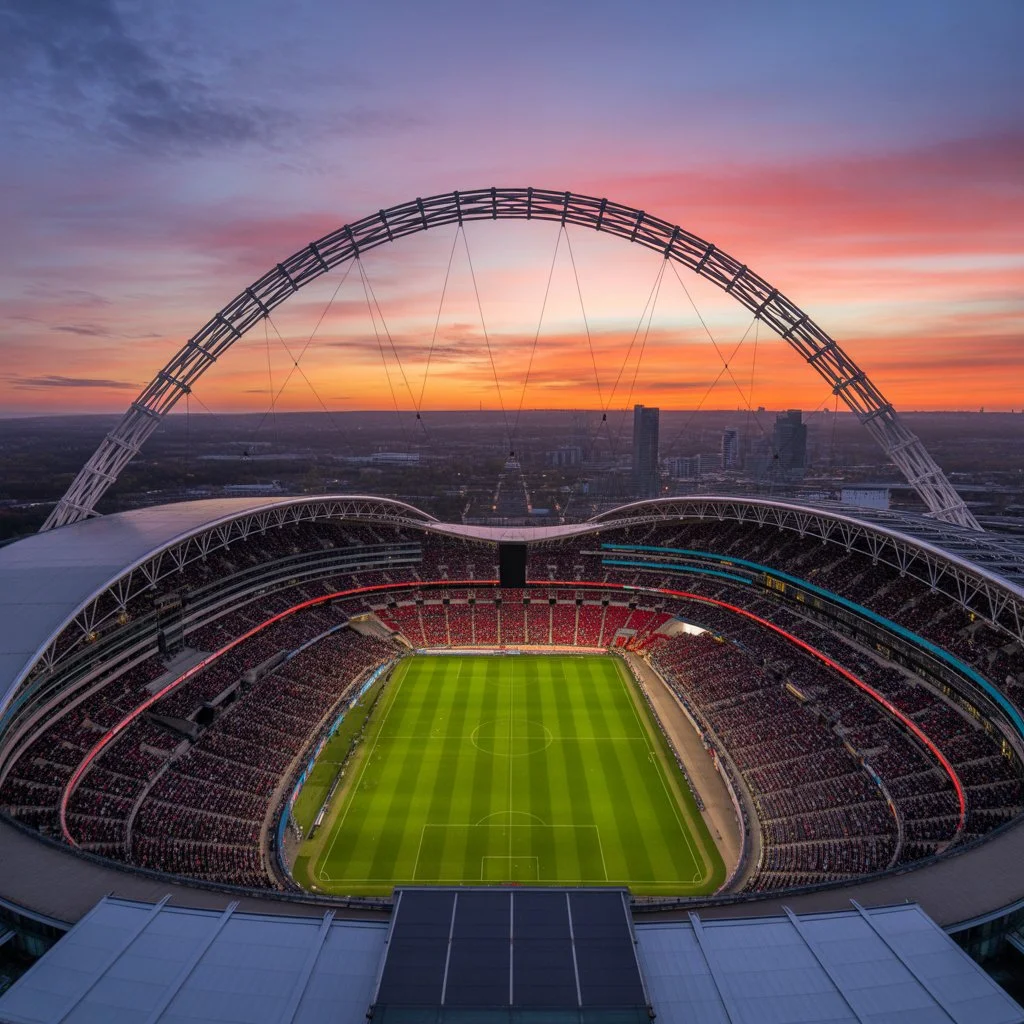
fa cup
The FA Cup (Football Association Challenge Cup) is not simply a competition, it is one of the key pillars of sport culture. It is the oldest national football competition in the world that was founded in 1871. Although the contemporary football is usually consumed by the glamour of the premier leagues and the wealth of the champions leagues, fa cup is still the peoples cup where legends are created and dreams become real.
It is a non-league club on a muddy pitch with the world superstars or it is a match winner with a goal within the last minute under the arch of the Wembley stadium, but either way it is a match over which thousands of people all over the world are dreaming. In this final guide we shall look at the history of the fa cup, the structure, the best moments and reasons why the fa cup is the pulse of the English football.
History and Origins of the FA Cup.
The FA Cup was inaugurated on July 20, 1871 when C.W. Alcock suggested that an Association should have a Challenge Cup to be contested. During its first season (1871-72), there were 15 clubs in it. The inaugural one saw Wanderers win 1-0 over Royal Engineers at Kennington Oval in London.
Out of these small origins the tournament expanded tremendously. It shifted its character as a professional spectacle as compared to the competitions that were dominated by amateur clubs referred to as gentlemen clubs. It became the most looked forward to event in the British sporting calendar and eventual home in 1923, in the iconic Wembley Stadium where the FA Cup Final was played, a game commonly called the White Horse Final because of the vast crowds overflowing on to the pitch.
Evolution of the Trophy
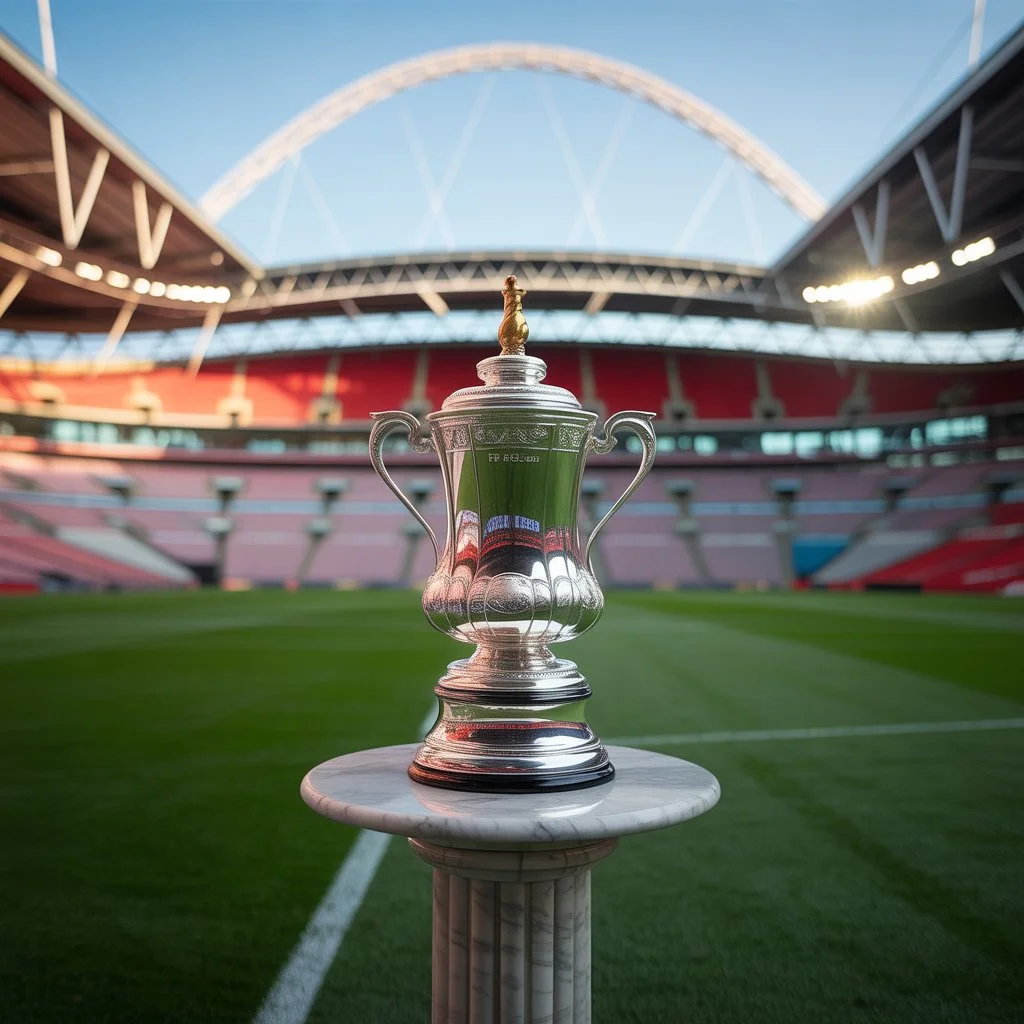
The trophy that we have presently is the fourth edition. The former, the so-called little tin idol, was stolen in 1895 and was not found back. The modern structure, which was launched in 1911, is a metallic artwork masterpiece that is used to represent the epitome of domestic success in England.
Knowing about the FA Cup Formula.
The inclusivity is one of the peculiarities of the FA Cup. The FA Cup is open to any participating club as far as Level 9 of the English football league system which is unlike the Premier League which is limited to the 20 best clubs.
The Qualifying Rounds
The professionalism has been threatening even before the big names come into the picture. There are hundreds of non league clubs that take part in the Extra Preliminary, Preliminary and four Qualifying Rounds. To these smaller clubs these stages of progress are a source of important financial income and the opportunity to be written in history.
The Competition Proper
First Round Proper: League one and Two clubs join the competition, as well as the non-league survivors.
Third Round Proper: It is the most popular weekend of the English football calendar. This is the point that the 20 Premier League clubs and 24 Championship clubs are drawn.
The Knockout Stages: The tournament is a pure knockout. In case of a draw at the end of a match (during the earlier rounds), a replay will usually be conducted, however, there have been changes in the rule regarding replay of the match in recent years to prevent fatigue on the part of the players.
The Semi-Finals and Final: The Semi-Finals and Final are played at the Wembley stadium, unlike the historic venue of neutral grounds.
The reason why the FA Cup is The Magic of the Cup.
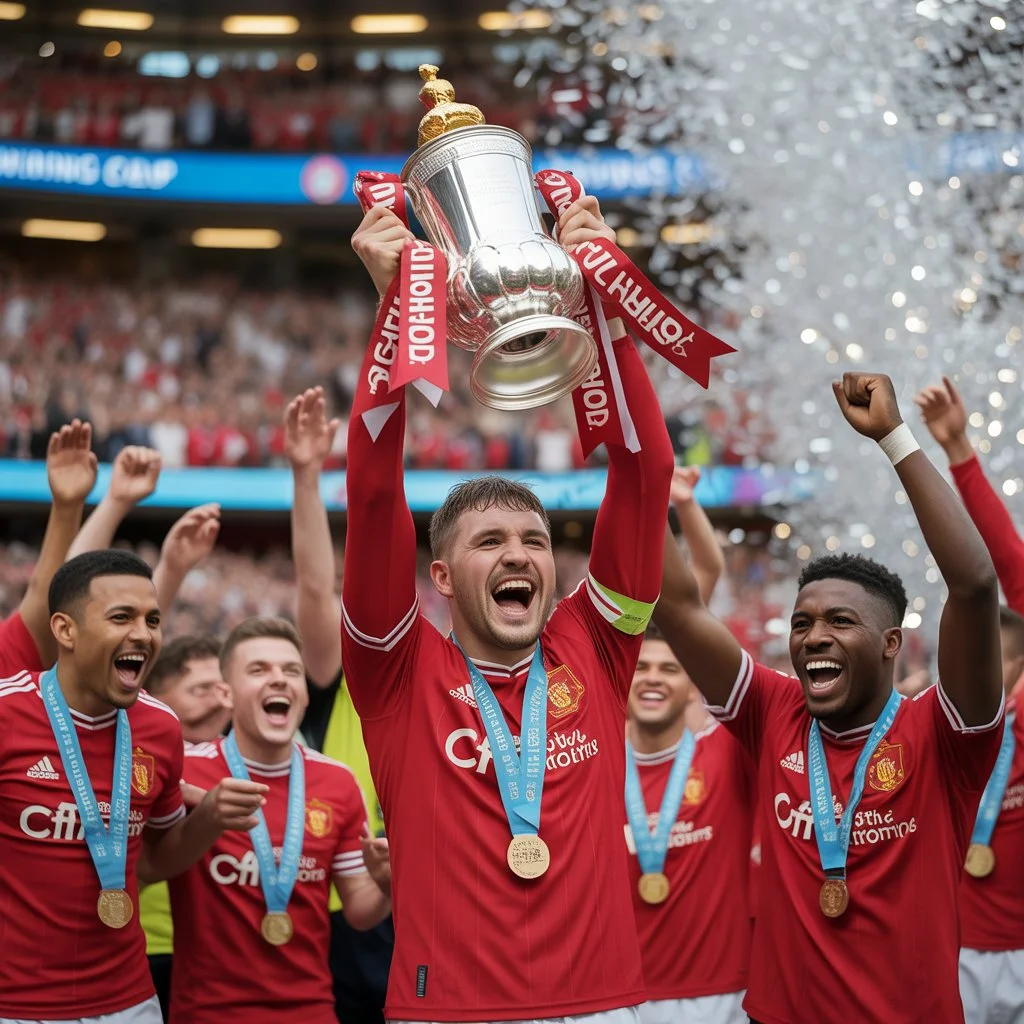
Magic of the Cup is the term used to denote the uncanny nature of the tournament to generate Giant Killings. It is at this point that a little, underdog, team beats against a huge, highly supported team.
Legendary Giant Killings
Hereford United vs. Newcastle (1972): probably the most well-known underdog victory, Hereford is a non-league club that defeated Newcastle at the very top of the league on a muddy field.
Wigan Athletic vs. Manchester City (2013): Wigan became the winner of the final match in the David vs. Goliath of the modern days as the reigning champions of the Premier League were up against the underdog Wigan.
Wrexham vs. Arsenal (1992): The Wrexham, the lowly-ranked team in the league, sensationally beats the then league champions.
These contests are evidence that eleven players have the ability to overcome the odds on any particular day. This uncertainly is what makes the fans of lower-league clubs adore the FA Cup draw; the hope that they will host a Manchester United or a Liverpool on their small home ground is what keeps the game alive.
Most FA Cup Successful Clubs of all time.
Although there has been an upset in many of the tournaments, some elite clubs have over the decades dominated the trophy cabinet.
| Club | Titles | Most Recent Win |
| Arsenal | 14 | 2020 |
| Manchester United | 13 | 2024 |
| Chelsea | 8 | 2018 |
| Liverpool | 8 | 2022 |
| Tottenham Hotspur | 8 | 1991 |
| Manchester City | 7 | 2023 |
Arsenal currently leads the all time wins, much to the credit of the age of Arsene Wenger who is the leading all time winner in the history of the FA cup as a manager (7). The recent success of Manchester united has made them hotly pursue the Gunners hence the domestic dominance race even more exciting.
The Road to Wembley: The fan View.
It is part of the initiation of a football fan to watch an FA Cup match. Cup days are in contrast to the corporate ambiance that occasionally permeates league games. The sense of urgency is that of do or die.
FA cup match tips: Match attendance guide.
Lower Leagues: For a real-life experience, one must go to a smaller stadium, first or second round game to get a feel. It is a romantic and dramatic atmosphere.
Draw: The draws are made in the usual manner, by television. Taking out the balls of the velvet bag is no bad work to follow.
Wembley Travel: Book your trip to London in time Wembley Travel, why not book your trip to London in case you have the Final? Both the Hotels and the National Rail are full a month.
Watch the Rules: You need to make sure that you know whether there is VAR (Video Assistant Referee) or it is penalties because the rules can vary depending on the infrastructures available in the stadium and round of the tournament.
The Economic Effect of the FA Cup.
To the smaller clubs, the FA Cup is a lifeline in terms of finances. The amount of money that is won in winning rounds is high, but the real bonanza is in:
Gate Receipts: Gate receipts in the FA cup are divided 45 to each club whether it is the home or away team. The fact that a tiny club can attract an away match at Old Trafford, and the club gets sufficient revenue can support their operations over several years.
Television Rights: In case a match is chosen to be tele-casted, both the clubs are given a huge sum of money as a broadcast fee.
Internationalization: A strong run in the tournament can place a small town on the international radar, and this will help to draw sponsors and new customers.
How to Watch the FA Cup
FA Cup is actually one of the most available tournaments to the viewers. In the United Kingdom, both the BBC and ITV have an equal share on the rights, thus the largest games are free-to-air.
For international fans:
USA: ESPN+ is the only platform to broadcast each of the rounds.
Australia: The best place is Paramount +.
Nigeria/ South Africa: SuperSport is widely-covered.
There is also always local listings of the Match of the Day highlights, which have been a part of the British Saturday night television since time immemorial.
The Future of the FA Cup
The FA Cup is struggling in a world of Super Leagues and increased global schedules. The possibilities of removing replays to reduce the congestion of fixtures and arranging the Final on the same day as the Premier League matches are the subject of constant debates.
Nonetheless, the status of the tournament has not been lost. FA has undertaken to maintain the legacy of the competition but has gone on to update its presentation to a digital audience. There has also been a colossal influx to the popularity of the introduction of the Women FA Cup which is now drawing in record numbers to the final to Wembley Stadium that the appetite behind Cup Magic applies to all flavours of the game.
Iconic FA Cup Final Venues
Although Wembley is the spiritual home, the fa cup has toured. The finals of the reconstruction of Wembley (2001-2006) took place in the Millennium Stadium in Cardiff. The steep and closed roof made the experience more incredible as may be recalled by many fans. Others used in the past are Old Trafford, Stamford Bridge and even Fallowfield stadium in Manchester as early as 1893.
FA Cup Fun Facts
Quickest Goal: Louis Saha took Everton 25 seconds to score at the Final in 2009.
Most Goals Per game: The highest amount of goals in one FA Cup game is recorded by Ted MacDougall who scored 9 goals in a Bournemouth game against Margate in 1971.
The Double Winners: winning the fa cup and the premier league in the same season is referred to as the double. This has been done a number of times by Manchester United and Arsenal.
The Red Card of the First: In 1985 Kevin Moran (Manchester United) was the first player to be sent off in an FA Cup Final.
Conclusion: The Reason We Love the Cup.
The FA cup is the great equalizer. It is a competition in which the billionaire owners of the premier clubs are forced to bring their superstars to compete on small stadiums in front of the supporters who are within inches of the touchline. It is the history, the passion, the democratic soul of the English football.

