

In an era where the world is more accessible than ever, the way we travel has a profound impact on the destinations we love. From the turquoise waters of the Mediterranean to the dense rainforests of the Amazon, the surge in global travel has brought both economic prosperity and environmental challenges. This is where sustainable tourism steps in not as a niche trend, but as a vital necessity for the future of exploration.
Sustainable tourism is about finding a balance. It is a commitment to making a positive impact on the environment, society, and economy of the places we visit. Whether you are a frequent flyer or a weekend road-tripper, understanding how to navigate the world responsibly is the most important skill a modern traveler can possess.

What is Sustainable Tourism? Defining the Three Pillars
According to the Travel Foundation, sustainable tourism is defined by its ability to maintain the environmental, economic, and socio-cultural aspects of tourism development. To truly understand the concept, we must look at the three core pillars that support it:
1. The Environmental Pillar
This is often what people think of first. It involves minimizing the negative impacts of travel on nature. This includes reducing carbon footprints, eliminating plastic waste, and protecting local wildlife and biodiversity.
2. The Social Pillar
Sustainable travel must respect and enhance the lives of local people. This means preserving cultural heritage, respecting local traditions, and ensuring that tourism does not lead to the exploitation of communities.
3. The Economic Pillar
For tourism to be sustainable, the money spent by travelers must stay within the local community. Supporting locally owned hotels, restaurants, and artisans ensures that the economic benefits of travel reach those who live in the destination year-round.

Why Sustainable Tourism Matters Now More Than Ever
The World Travel & Tourism Council (WTTC) highlights that the travel sector accounts for a significant portion of global GDP. However, “overtourism” has begun to threaten the very landmarks that draw people in. Places like Venice and Machu Picchu have had to implement strict visitor limits to prevent physical degradation.
The climate crisis further accelerates the need for change. As sea levels rise and ecosystems shift, many of the world’s most beautiful destinations are at risk. By adopting sustainable tourism practices, we can slow down these effects and ensure that future generations can experience the same wonders we enjoy today.
How to Plan an Eco-Friendly Trip: Step-by-Step
Transitioning to a more responsible way of traveling doesn’t happen by accident. It requires intentional planning. Here is how you can optimize your next journey for sustainability:
Choose Your Destination Wisely
Instead of heading to “hotspots” struggling with overtourism, consider “dupe” destinations. Love the Swiss Alps? Try the mountains of Slovenia. Want the beaches of Bali? Look into the coastlines of Lombok. This spreads the economic benefits and reduces the strain on overcrowded infrastructure.
Transportation: Fly Less, Stay Longer
Aviation is a major contributor to carbon emissions. When possible, take the train or bus. If you must fly, choose direct flights (as take-offs and landings emit the most carbon) and stay at your destination for a longer period rather than taking multiple short-haul trips.
Book Green Accommodations
Look for certifications like LEED, Green Globe, or EarthCheck. However, don’t just rely on labels. Check if the hotel uses renewable energy, has a greywater recycling system, or employs local staff in management positions.

5 Practical Tips for the Responsible Traveler
Being a sustainable traveler continues once you reach your destination. Here are five actionable tips to reduce your footprint:
- Say No to Single-Use Plastics: Pack a reusable water bottle (with a built-in filter), a metal straw, and a cloth shopping bag.
- Eat Local and Seasonal: Avoid imported foods. Visit farmers’ markets and eat at “mom-and-pop” restaurants to reduce food miles and support the local economy.
- Respect Wildlife: Avoid attractions that involve touching, riding, or feeding wild animals. Instead, observe them in their natural habitats with certified ethical guides.
- Conserve Water and Energy: Treat your hotel room like your home. Turn off the AC when you leave, take shorter showers, and reuse your towels.
- Leave No Trace: Stick to marked trails when hiking and always carry your trash out with you.
The Role of Technology in Sustainable Travel
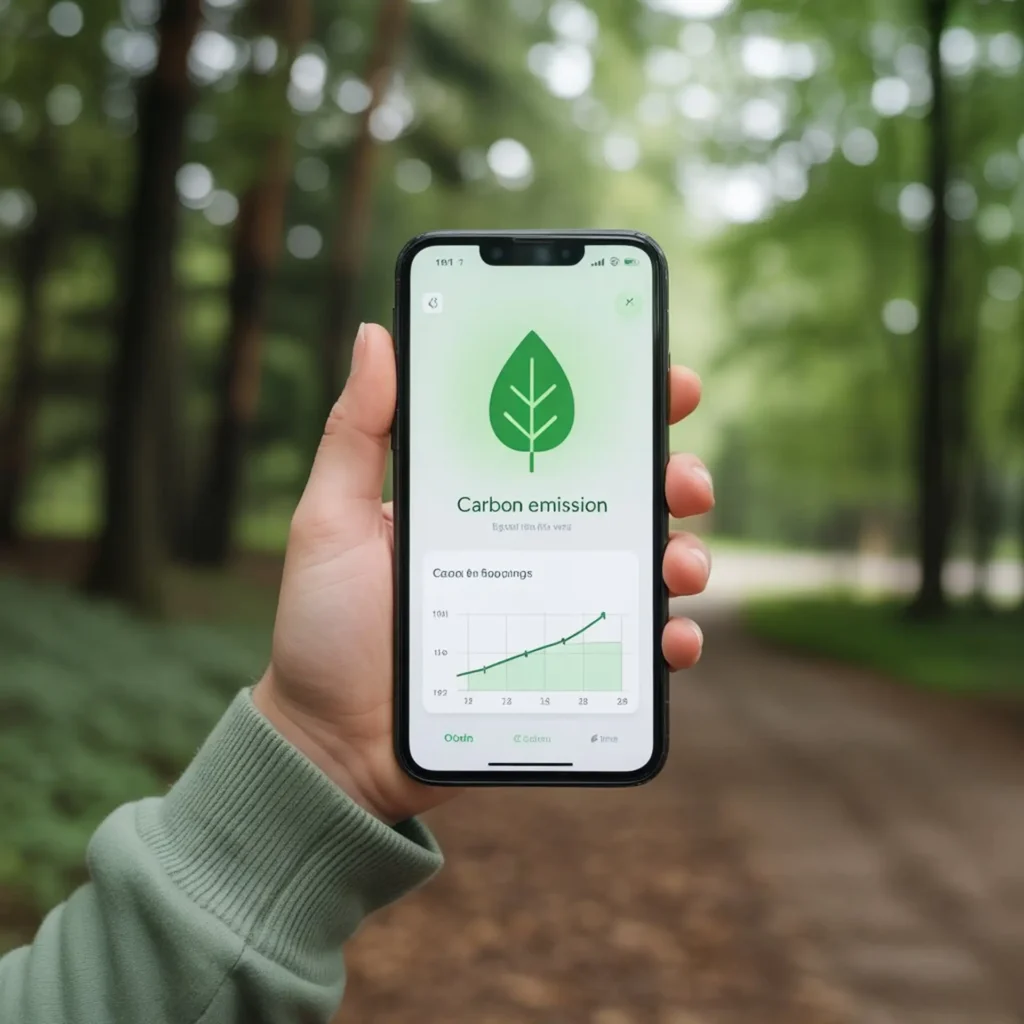
The Journal of Sustainable Tourism often explores how innovation can mitigate travel’s impact. Today, AI-driven apps can help travelers track their carbon footprint in real-time. Digital platforms now allow tourists to book community-led tours that were previously invisible to the global market.
Furthermore, blockchain technology is being used to create transparent supply chains, ensuring that “eco-fees” paid by tourists actually go toward conservation projects rather than being lost in administrative red tape.
Supporting Local Cultures and Heritage
Sustainable tourism isn’t just about the “green” stuff; it’s about the people. When we travel, we are guests in someone else’s home.
- Learn the Basics: A few words in the local language go a long way in showing respect.
- Ask Permission: Before taking photos of people or sacred sites, always ask.
- Dress Appropriately: Respect local dress codes, especially when visiting religious sites.
By valuing cultural integrity, we ensure that traditions remain authentic rather than becoming “performances” for tourists.
The Economic Impact: Where Does Your Money Go?
One of the biggest issues in the industry is “leakage.” This occurs when the money spent by tourists leaves the local economy and goes to international hotel chains or foreign-owned tour operators.
To fight this, aim to spend at least 70% of your travel budget at local businesses. Stay in a boutique guest house, hire a local guide for your city tour, and buy souvenirs directly from the artists who make them. This direct injection of capital empowers communities to protect their natural resources because they see the tangible value in preserving them.
Common Myths About Sustainable Tourism
Myth 1: It’s Too Expensive
While some luxury eco-resorts are pricey, sustainable travel can actually be cheaper. Taking public transport, eating at local markets, and slow traveling (staying in one place longer) often costs less than traditional high-speed tourism.
Myth 2: It’s Boring or Restrictive
Sustainability doesn’t mean you can’t have fun. It means having deeper, more meaningful experiences. Instead of a crowded bus tour, imagine a private hike with a local who tells you stories about their ancestors. That’s not restrictive it’s enriching.
Myth 3: Individual Actions Don’t Matter
With over a billion international trips taken annually, if every traveler made just one sustainable choice—like refusing a plastic bottle the cumulative impact would be massive.

The Future of Travel: Regenerative Tourism
As we look toward the future, the conversation is shifting from “sustainable” to “regenerative.” While sustainable tourism aims to minimize harm (leaving no trace), regenerative tourism aims to improve the destination.
This might involve participating in a beach clean-up, joining a reforestation project, or contributing to a community fund that builds schools. The goal is to leave a place better than you found it.
Conclusion: Becoming a Steward of the Earth
Sustainable tourism is a journey, not a destination. It requires us to be more conscious, more patient, and more respectful. By choosing to travel sustainably, we are not just seeing the world; we are protecting it. We are ensuring that the vibrant cultures, breathtaking landscapes, and incredible wildlife we marvel at today will still be there for the travelers of tomorrow.
The next time you book a trip, ask yourself: How will my presence benefit this place?
Take Action Today:
- Audit your gear: Replace your travel toiletries with plastic-free alternatives.
- Research: Look for one “Global Sustainable Tourism Council” (GSTC) accredited business for your next trip.
- Share: Spread the word! Use your social media to highlight ethical businesses and eco-friendly tips.

