
oppenheimer
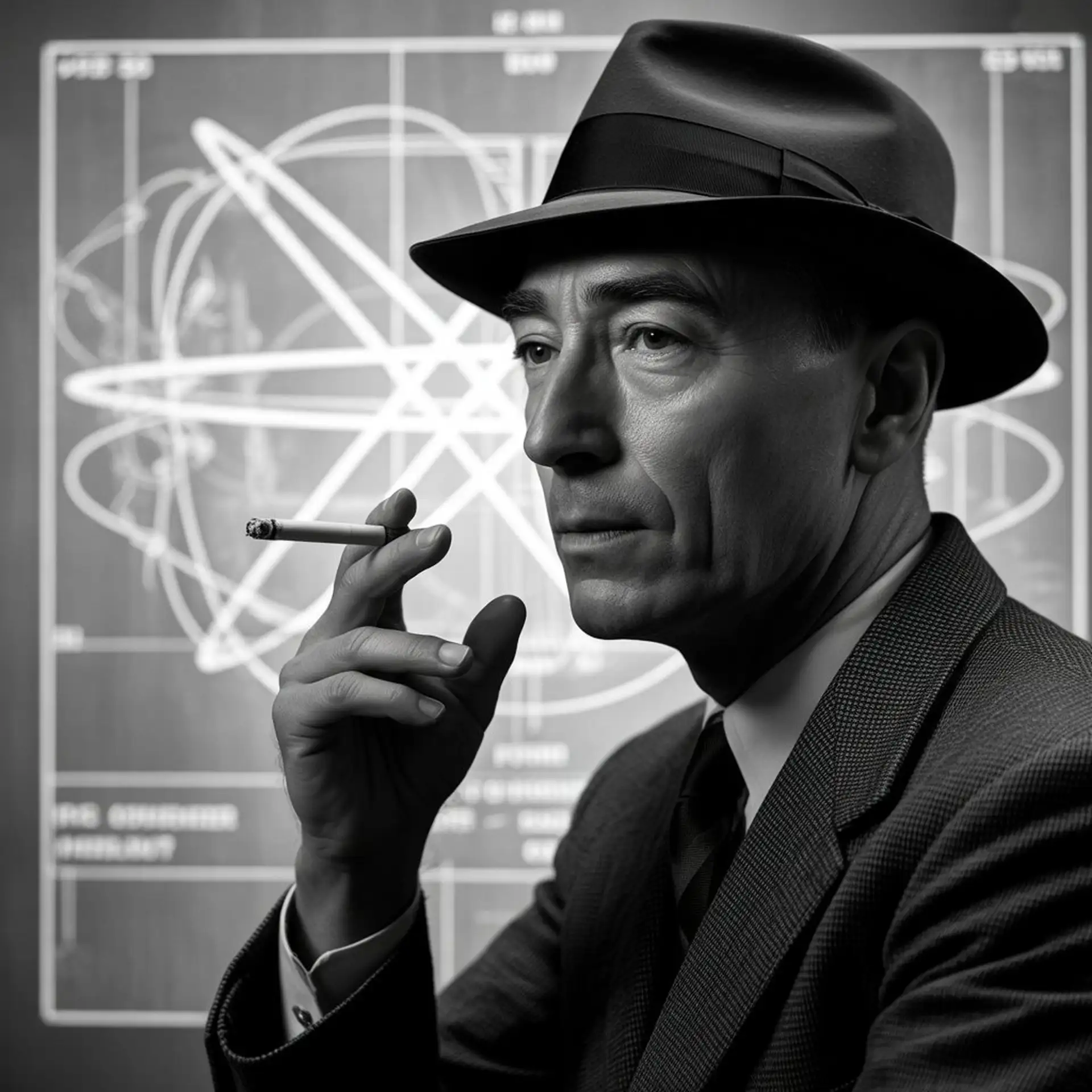
Few names in the history of the 20 th century are so weighted–or so contradictory–as that of J. Robert Oppenheimer. Oppenheimer, who was the father of the atomic bomb, was a man of great brilliance, deep philosophical speculation and great moral conflict.
In 2026, his life is experiencing a colossal rebirth of international interest as the award-winning biographical film of the same title is released. Nevertheless, Hollywood is not the real history of the man. Since the clandestine laboratories of Los Alamos to the high-stakes security hearings of the McCarthy era, the life of Oppenheimer is still an effective lesson on the convergence of science and politics.
Who Was J. Robert Oppenheimer? The Early Years
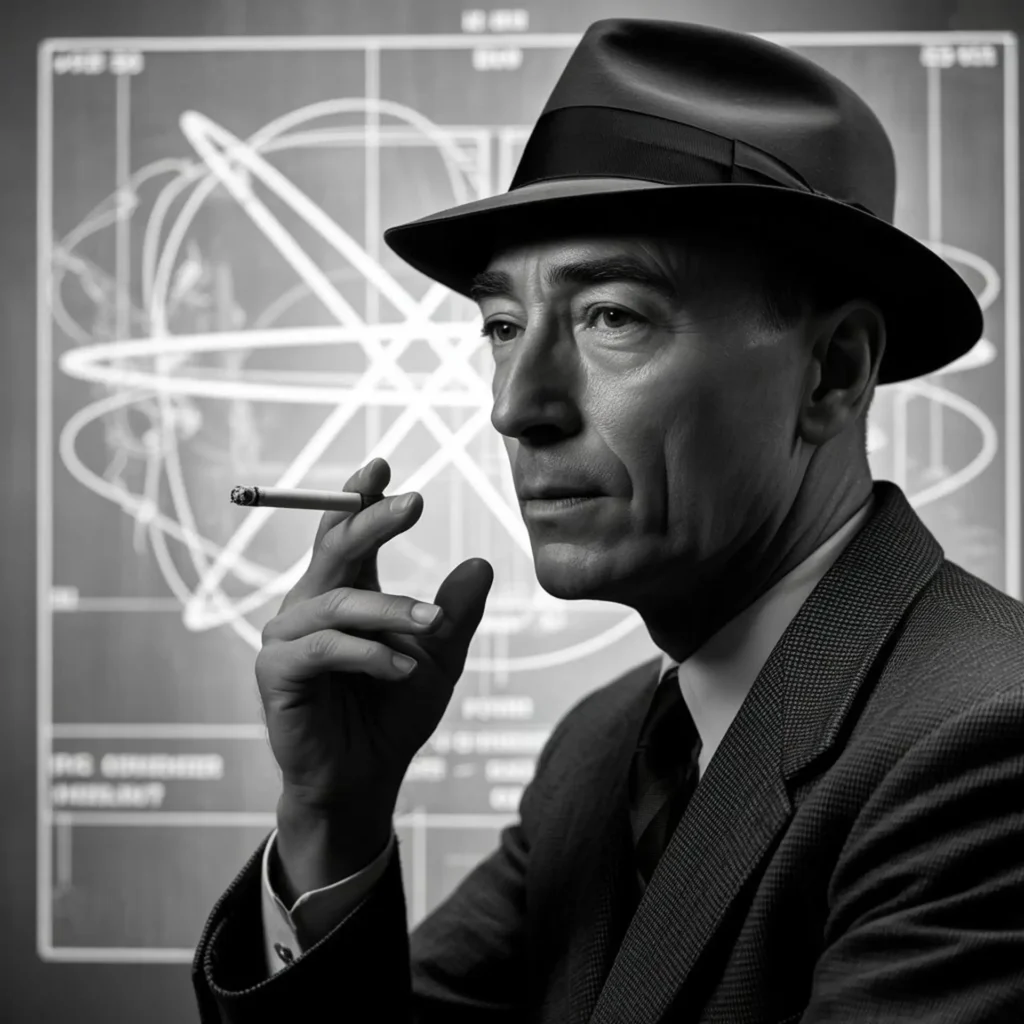
Julius Robert Oppenheimer was born on the 22 nd April, 1904, in New York City in a rich family of German-Jewish immigrants. It was evident that his intelligence was way above average since he was very young. He was an all round man who not only practiced physics and chemistry, but also Latin, Greek, and Eastern philosophy.
An Academic Pinnacle of a Life.
The education of Oppenheimer brought him to the other corners of the world and turned him into one of the most prominent theoretical physicists of the world:
Harvard University: It took him only three years to graduate summa cum laude with an undergraduate degree in chemistry.
Cambridge University: He went to England where he worked at the Cavendish Laboratory, but was not able to cope with the experimental aspect of physics.
University of Gottingen: He studied under Max Born and received his Doctorate becoming an authority in the new discipline of quantum mechanics.
The Manhattan Project: the Making of the Gadget.
The chapter that defines the life of Oppenheimer started in 1942 when he was enlisted by the General Leslie Groves to spearhead the scientific side of the Manhattan project. The task was simple, to create an atomic bomb before Nazi Germany.
Why Los Alamos?
The secret laboratory was sited in Los Alamos, New Mexico, which was the personal recommendation by Oppenheimer. He loved the roughness in the beauty of the New Mexico desert, where he spent his summers as a young man recovering after sickness. During his time Los Alamos was a secret city in which more than 5,000 scientists and engineers worked along with their families.
The Trinity Test
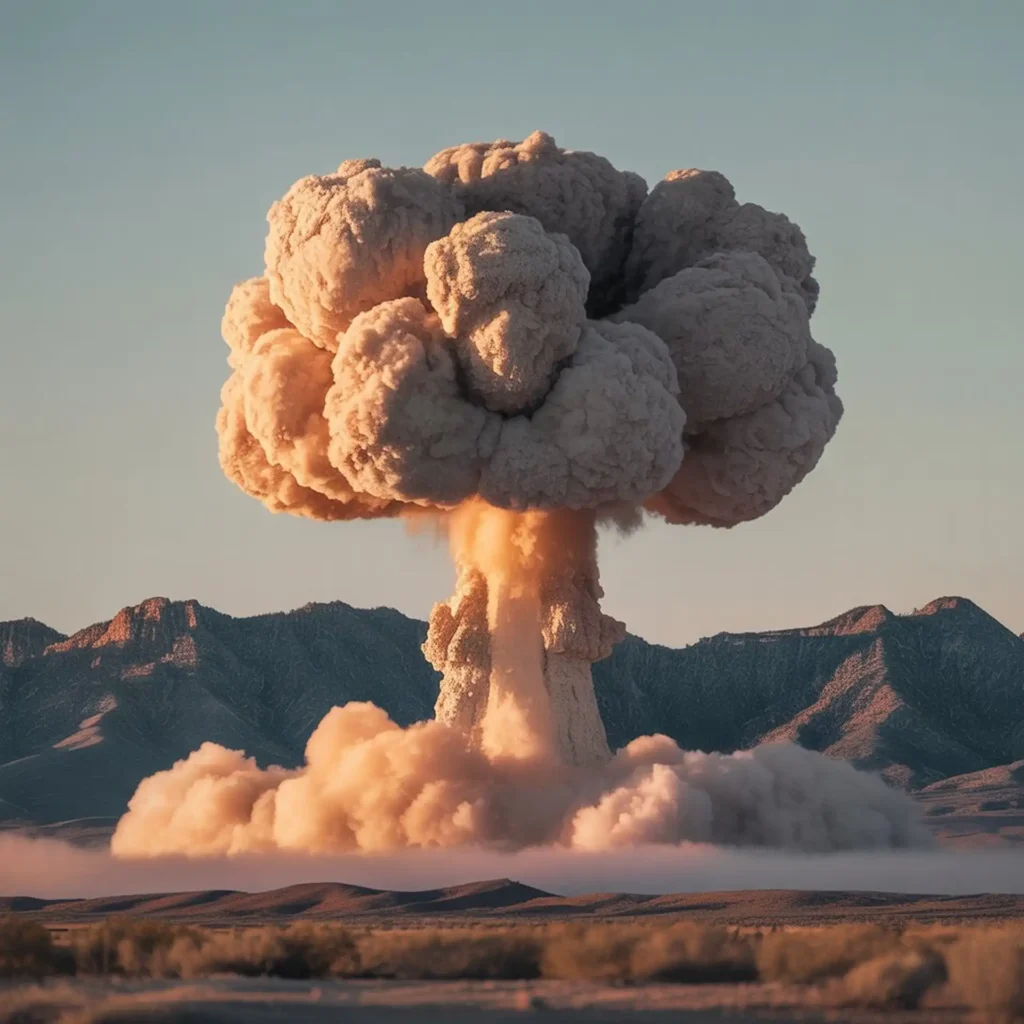
July 16, 1945 was the day when the world changed forever. The Gadget was the first nuclear weapon, which was successfully detonated at the Trinity Site in the Jornado del Muerto desert.
We knew that the world was not going to be the same. Some of them laughed, some of them cried. Most people were silent.” — J. Robert Oppenheimer
Scientific Postwar Contributions outside of the Bomb.
Although he is most famous with the Manhattan Project, Oppenheimer left a lot of contributions to the field of theoretical physics, which are still being studied up to date.
Born-Oppenheimer Approximation: This is a general method of quantum chemistry which allows the independence between nuclear and electronic dynamics to be separated.
Black Holes: This is one example where in 1939 he co-authored a paper that foresaw the existence of what would subsequently become observational objects- black holes.
Quantum Electrodynamics: His earlier work formed the basis of the contemporary subatomic particles.
The Ethical Crisis and Deceitful Demise.
Oppenheimer became famous as a result of the Manhattan Project but it also came with a devastating weight of responsibility. He was an ardent proponent of global nuclear energy control after the bombings of Hiroshima and Nagasaki.
The 1954 Security Hearing
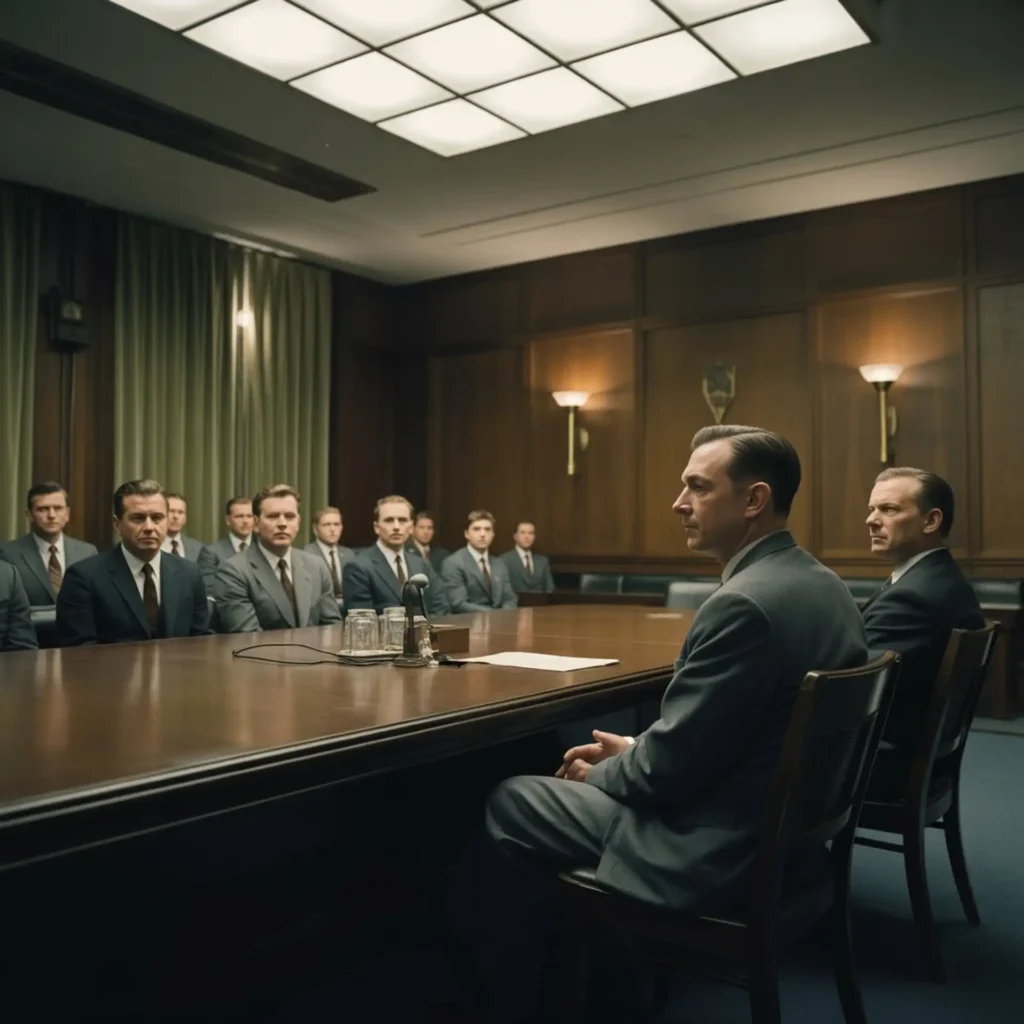
At the height of the “Red Scare,” Oppenheimer was a victim of his former connections with left-wing people, and his stand against the creation of the hydrogen bomb. His security clearance was suspended in 1954 in a controversial hearing.
The Accusations: Was accused of being affiliated with the Communist Party and character lapses.
The Conclusion: Despite his deserving to be a loyal citizen, he was denied his leverage in the government and in essence his career as a policy consultant was over.
Practical Advices on the History of Oppenheimer.
To the readers who are interested in the actual places and books in the life of Oppenheimer, this is how you do it:
American Prometheus: This Pulitzer Prize-winning biography of Kai Bird and Martin J. Sherwin is the ultimate source about his life and the inspiration of this movie by Christopher Nolan.
Visit Los Alamos: The Bradbury Science Museum and the Los Alamos History Museum provide the amazing revelations of the years of the Manhattan Project.
Visit a Trinity Site Open House: This is the location of the first atomic blast that is only open to the public twice per year (usually in April and October). These events are so popular that you should plan them months beforehand.
Visit Institute of Advanced Study: This is where Oppenheimer worked as Director between 1947 and 1966 together with Albert Einstein and is located in Princeton, NJ.
Frequently asked questions (FAQ).
Regrets in Oppenheimer building the bomb?
Oppenheimer never actually stated that he regretted the work he did in Los Alamos since he thought the weapon was necessary to put and an end to the war. Nevertheless, he felt very disturbed by the nuclear arms race that followed and his contribution of introducing death to the world.
Was Oppenheimer a communist?
Although he had lots of connections with the members of the Communist Party, his wife Kitty, his brother Frank, and his mistress Jean Tatlock, there is no fact that he was a formal and card-carrying member of the party.
Did he win a Nobel Prize?
Surprisingly, no. Although he was nominated three times (1945, 1951 and 1967), J. Robert Oppenheimer never won a Nobel Prize, although many of his contemporary and students did.
What was the Born-Oppenheimer Approximation?
It is a mathematical method applied in molecular physics to make the calculation of the energy of a molecule simpler, by making the nuclei motionless relative to the rapidly moving electrons.
Conclusion: The Shadow of Oppenheimer.
It is the story of Oppenheimer that reminds us that there is no such thing as scientific progress in a vacuum. It is connected to the morals, politics, and humanness of its users. The lessons of the Los Alamos in the year 2026 when we are entering new technological frontiers such as the Artificial Intelligence is more applicable than ever before.
Oppenheimer was a man who peeped into the nucleus of the atom and the salvation and destruction of man. His legacy is still imprinted in the very texture of the modern world and it functions as a lesson and a reminder of the might of the human mind.

