
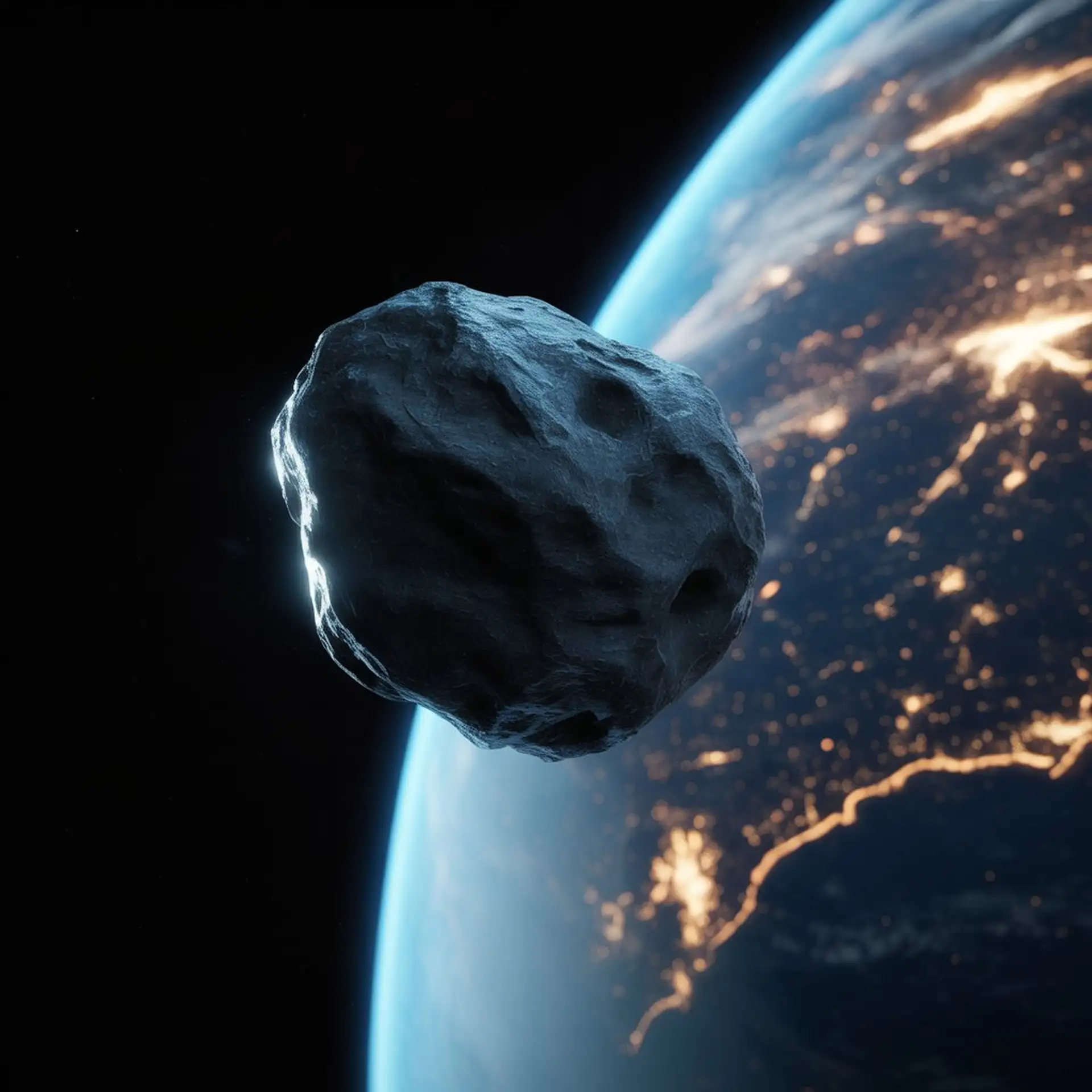
nasa asteroid
Space is normally a matter of amazement and come February 2026, it is a matter of high levels of anxiety among the major space agencies in the world. A set of scary warnings by NASA scientists has sparked a worldwide discussion on the topic of planetary defense. Particularly, the discussion has turned into a frightening group of the space rocks called city-killers.
In contrast to the giant planet killers of Hollywood blockbusters, which NASA has virtually watched 24 hours a day due to their size, these mid-sized hazards are so small that they cannot be seen through the glare of the sun but so large that they would wipe an entire metropolitan region flat. By early 2026, NASA has acknowledged about 15,000 of such objects have gone unnoticed and the earth is in a precarious position. nasa asteroid
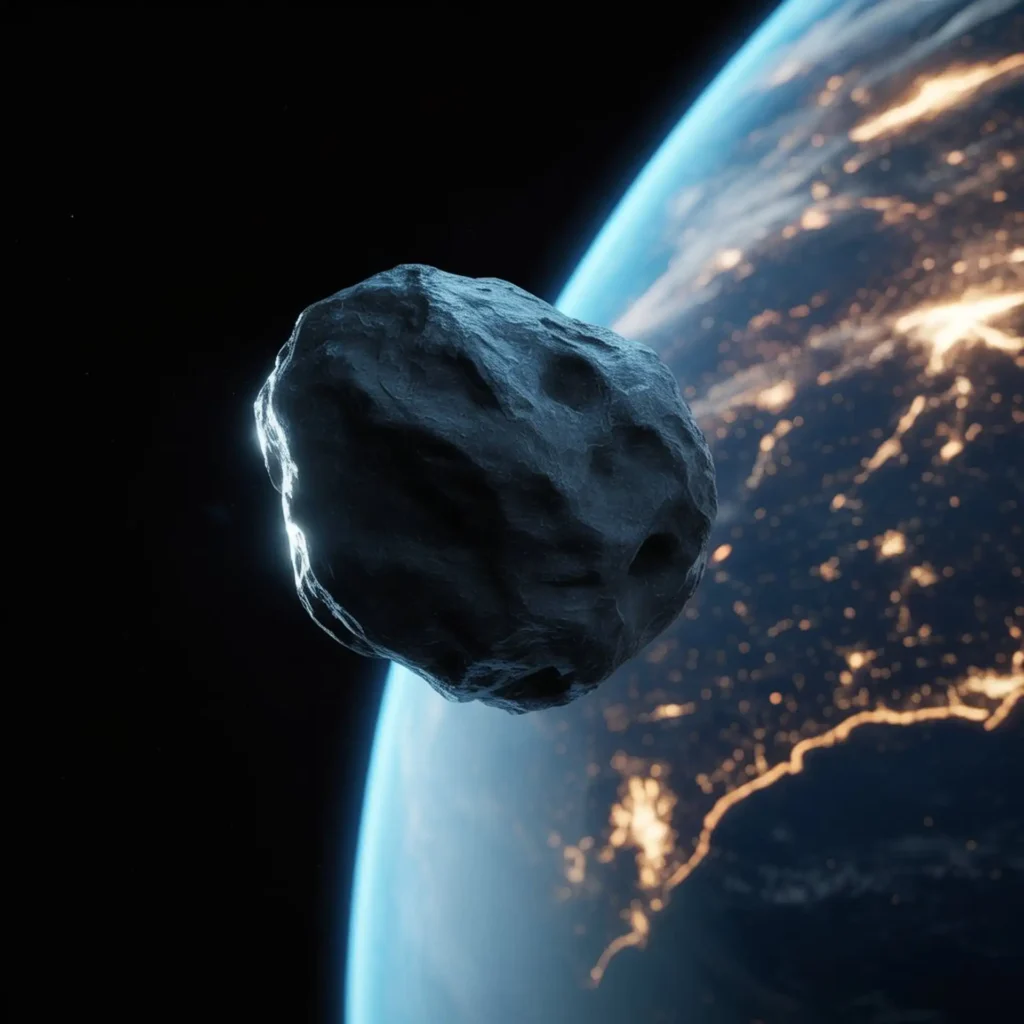
What does a NASA Asteroid mean by City Killer?
Planetary defense Size is a factor in planetary lexicon. NASA classifies asteroids by the amount of damage they cause when hitting the earth. nasa asteroid
Small Objects: These strike the earth on a daily basis. They usually get burnt in the air, or they release tiny meteorites, which produce insignificant harm.
Planet Killers: These are large (1 kilometer or more) and have the potential to bring about extinction on earth. The good news? NASA has found approximately 95 percent of them and none of them will run into the earth in the next 100 years.
The “City Killers: These are the intermediate ones. These asteroids are approximately 140 meters (460 feet) and above in size, with a sufficient kinetic energy to flatten cities, generate huge tsunamis and cause devastation on a regional scale. nasa asteroid
According to a conference that was held in Phoenix, Dr. Kelly Fast, a planetary defense officer of NASA has recently said that they are the things that keep her awake at night. They are very hard to see since they are relatively small and many are dark and therefore very difficult to see with the existing telescopes with the visible eye until they are too close.
The 15,000 Undetected Threats
These figures published by NASA in February 2026 are depressing. The scientists approximate the number of near-Earth asteroids in the city killer size to be about 25,000. We have so far mapped on only, perhaps, 40 per cent. of them. nasa asteroid
Why Can’t We See Them?
A large number of these asteroids orbit in such ways, that they are always close to the sun as we look at it, effectively causing our ground telescopes to be blinded. In addition, most of them are composed of dark carbonaceous material which hardly reflects sunlight and they therefore become almost invisible against the blackness of space.
The Issue of Time of Detection.
Locating an asteroid is not the whole battle. Launching a successful deflection mission, in general, requires 5-10 years of lead time of space agencies. In the event that a city-killer was found just months away, there is virtually little that can be done, even with the current technology, to prevent it. nasa asteroid
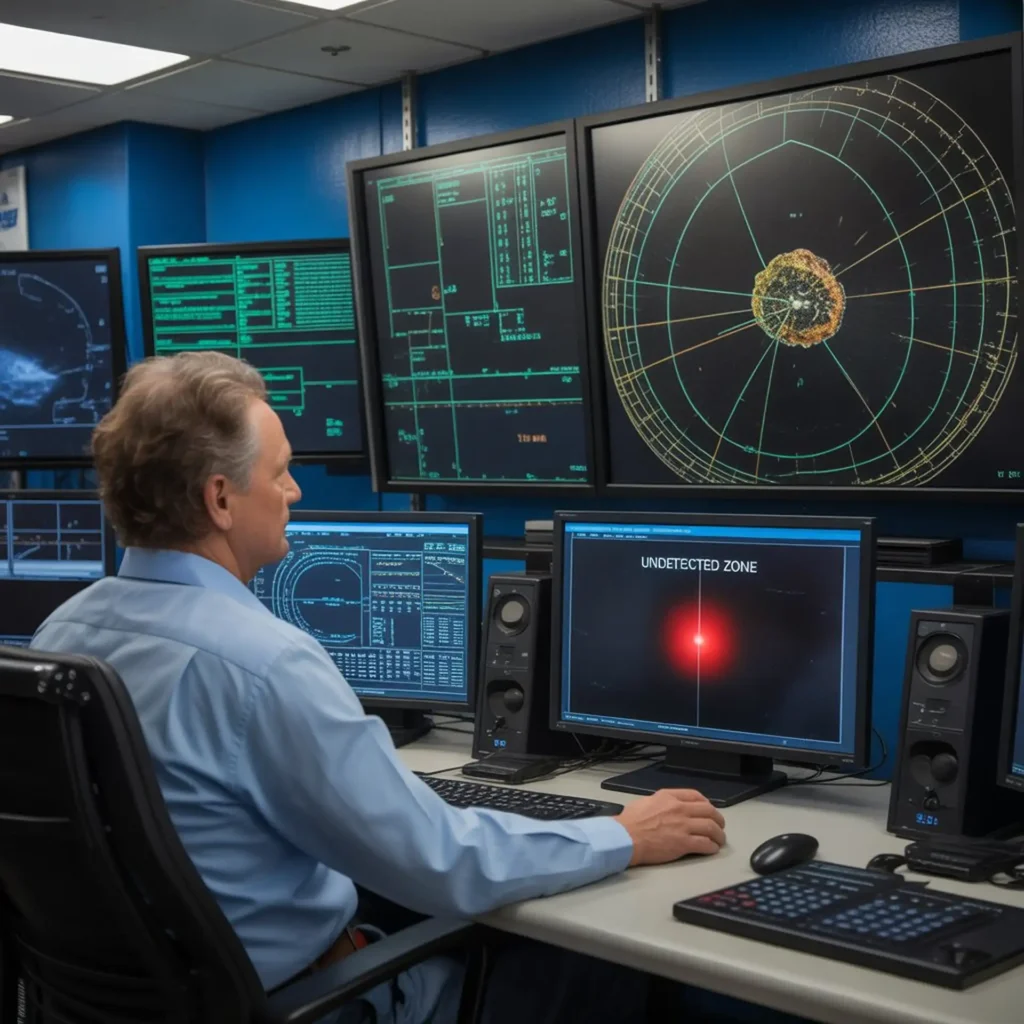
Case Study: Risk 2032 and asteroid 2024 YR4.
The NASA asteroid threat has had an escalating dialogue in recent times thanks to 2024 YR4. This approximately 100-meter rock was discovered in the end of 2024 and had an alarming potential of hitting the Earth in 2032. nasa asteroid
Latest 2026 Update on YR4
By 2026, the Jet Propulsion Laboratory (JPL) has given refined estimations that reduce the risk of impact by the Earth by a wide margin. Nevertheless, there is no longer one possibility but a 4 percent possibility that YR4 will hit the Moon in 2032. This would not cause any life on Earth to be at risk, but the resulting effect would become noticeable to the naked eye and would cause disruption to subsequent missions or living places on the moon.
Is Earth Defenseless? Planetary Defense as a Reality.
Although the headlines are apocalyptic NASA is not merely watching and waiting. The agency is also working on the technologies of nudging the dangerous rocks out of way.
The Legacy of DART
In 2022, the DART (Double Asteroid Redirection Test) mission demonstrated that it was possible to change the orbit of an asteroid successfully by impacting the spacecraft into it. It was an epic demonstration of a kind. nasa asteroid
The 2026 Funding Gap
Dr. Nancy Chabot, who is the head of the DART mission, however, told in February 2026 that we do not have a DART-2 in a hangar waiting to fly. In absence of specific funds to maintain deflection craft in reserve, unexpected finding of an approaching asteroid would have us gurled about. nasa asteroid
NEO Surveyor: Future of Detection.
This is the Near-Earth Object (NEO) Surveyor, which is the holy grail of asteroid watchers. This space infrared telescope will be launched at the end of 2027. It will also use thermal signatures to detect the dark asteroids that cannot be detected by the ground telescopes, and it is likely to discover 90 percent of all city-killers in a period of 10 years. nasa asteroid
Guide to Practical Tips: What to do to keep informed (Panic-free).
It doesn’t take much to be terrified by the news of the asteroids which kill cities, but being aware is the antidote to the anxiety.
abide by the authority: do not pay attention to sensational tabloids. Real-time close approach data is found on the dashboard.
Know Close Approach It can be millions of miles in space. Even a passing asteroid within 1 million miles is still four times away than the moon.
Support Space Funding: Planetary defense is among the limited issues on the planet which impacts all human beings. The practical method of contributing to the program such as NEO Surveyor can be recommended. nasa asteroid
The Frequently Asked questions (FAQ)
And will there be an asteroid hitting the earth in 2026?
No known asteroids will impact the earth during the rest of the year (except as of February 19, 2026). There are also a few close approaches that take place monthly, however, these are also observed and currently no threat.
What would happen when a city-killer asteroid strikes?
A hit would result in an explosion of a few megatons of TNT. It would flatten miles of buildings, would cause a gigantic pressure wave, and assuming that it struck the ocean–would cause gigantic tsunamis.
Why do we not simply blow it up with a nuclear bomb?
It is not always a good idea to blow it up since one large threat is converted into thousands of little threats that are radioactive. NASA favors softer methods such as the kinetic impactors (such as DART) to modify the orbit. Nuclear options are specified as the consideration of a very big asteroid having very little warning time.
Conclusion: Wake-Up call to Humanity.
The asteroid warnings of 2026 by NASA can be viewed as a wake-up call. We are in a cosmic shooting gallery and though we are intelligent enough to see where the bullets are coming, we are now wanting the shields to shield us all.
It’s not the finding of 15,000 undetected city-killers that is the cause of despair but an appeal to act. As the future comes nearer with missions such as NEO Surveyor, we are as near to ensuring a future of our planet as we can get. The technology is there, we just have to have the world will to utilize the technology.

