
Estonia
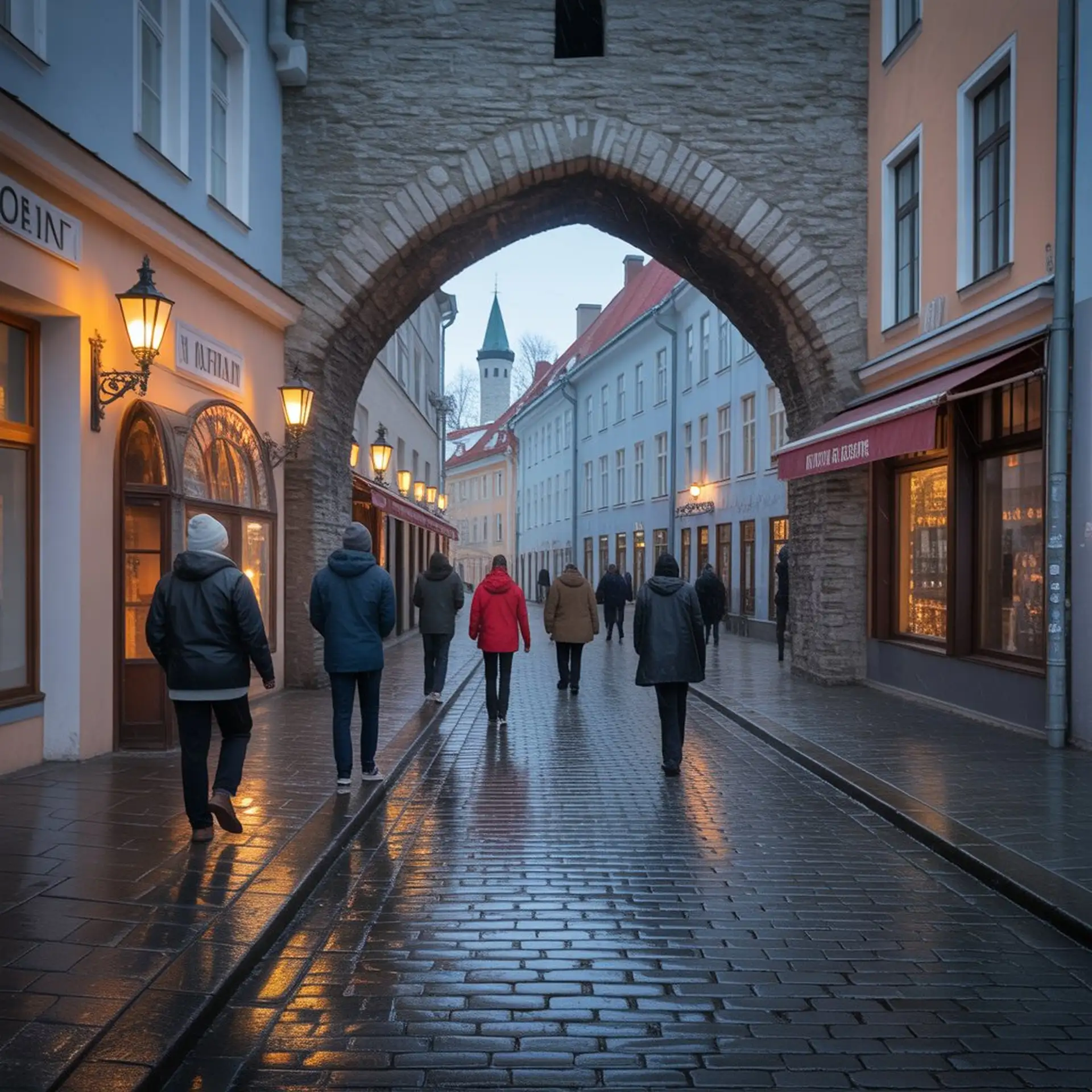
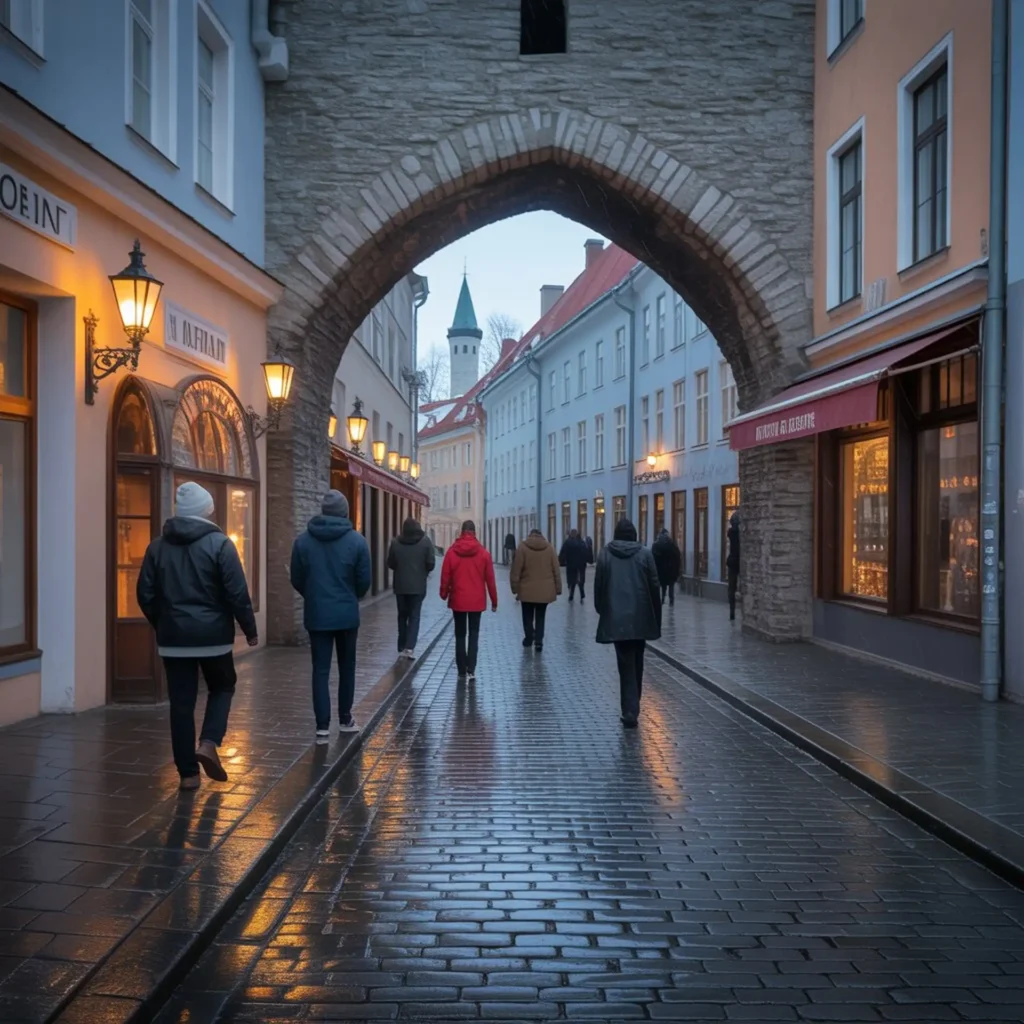
In 2026, Estonia is a paradox in the world: a country whereby in the morning you can walk through 13th-century cobblestone streets and in the afternoon on a walk in the forest, you can sign a legally binding business contract via your smartphone. With its location based in the Baltic area of Northern Europe, Estonia has come out of its small size to be a “digital unicorn: the global leader in e-governments, cybersecurity, and location-independent entrepreneurship.
It does not matter whether you are a tourist of the rough landscape of the Lahemaa National Park or a digital nomad who wants to have a company with no boundaries, but in the EU one thanks to e-Residency, Estonia is an exclusive combination of tradition and modern productivity. This is a guide that covers all that the country has to entertain in 2026.
Digital Revolution: e-Residency 2026.
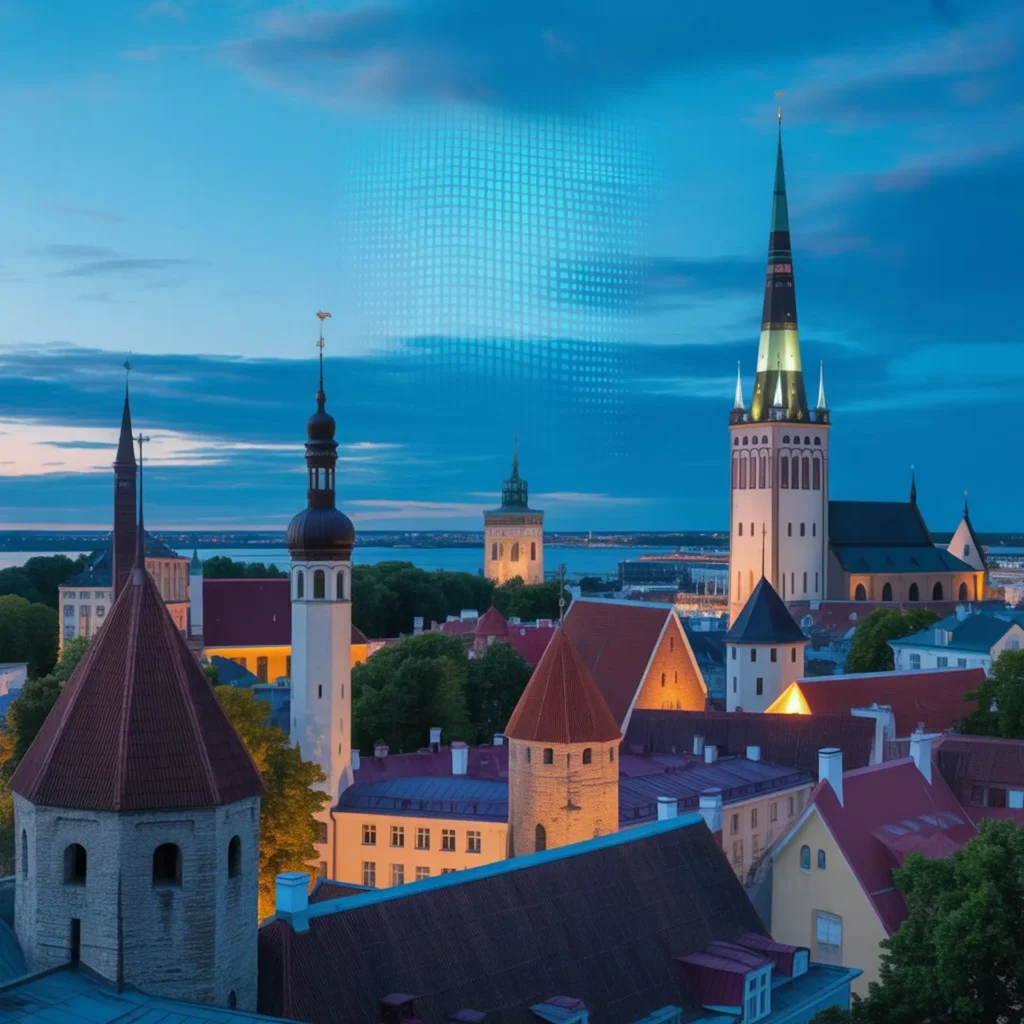
The best export that Estonia has to offer, maybe not a tangible product, but a status. The e-Residency program was introduced in 2014 and has reached its so-called Golden Era in 2026.
What is Estonian e-Residency?
E-Residency is an issuance of a government initiative, which enables non-residents of Estonia to access the public e-services of this country. The community has developed to greater than 135,000 individuals by the beginning of 2026 across 185 nations.
Global Business: More than 39,000 companies have been created by the e residents in Estonia.
Location Independence: You are able to control your taxes, sign documents, and open a business bank account anywhere in the world.
EU Access: As a non European Union entrepreneur, e-Residency will give you a low-friction entry point to the Single Market.
The “AI Leap” of 2026
With a new president Alar Karis in charge, Estonia has transitioned beyond the mere digitization to the AI Leap. The government is already incorporating more sophisticated AI solutions, to mechanize simple business filings and offer proactive services, in other words, the state will be able to remind you about tax breaks or grant opportunities even before you request them.
Tallinn: The Heart of Estonia Exploration.
Whereas the digital environment is gorgeous, the physical beauty of the capital, Tallinn, is the main attraction to tourists. Tallinn is still in 2026 receiving awards as one of the most cozy and sustainable cities in Europe.
Tallinn Old Town (Vanalinn)
The Old Town is a medieval city that is best preserved in Northern Europe and has been declared a UNESCO World Heritage.
Toompea hill: a place where Alexander Nevsky Cathedral and Estonian Parliament are located.
Square before the Town Hall: This is where one can find one of the most magical Christmas markets in the world in the winter. During summer it is a busy center of open cafes.
St. Catherine Passage: An obscure street in which you can observe old-fashioned craftsmen blows glass and weaves linen.
The Contemporary Side: Telliskivi Creative City.
There is the Hipster Hub of Estonia just a few steps away of the medieval walls. Telliskivi is a former industrial complex that has been turned into a creative hub with the presence of street art, independent boutiques, and restaurants of world standards such as Fotografiska.
Nature and Wellness: Outside the City Limits.
Estonia is among the sparsely populated European nations and half of its territory is forested. The Estonian wilderness is the best refuge to those who desire to get away with the so called digital noise.
Lahemaa National Park
Lahemaa is a rocky shore, pine forest, and mysterious bog landscape that is only an hour away from Tallinn.
The Viru Bog Trail: A boardwalk made of wood which leads one through trees stunted and dark pools.
Wild Camping: In 2026, Estonia is still promoting the right of Everyman, in which visitors are permitted to camp and pick berries and mushrooms on most state property.
Sauna Culture The Original Social Network.
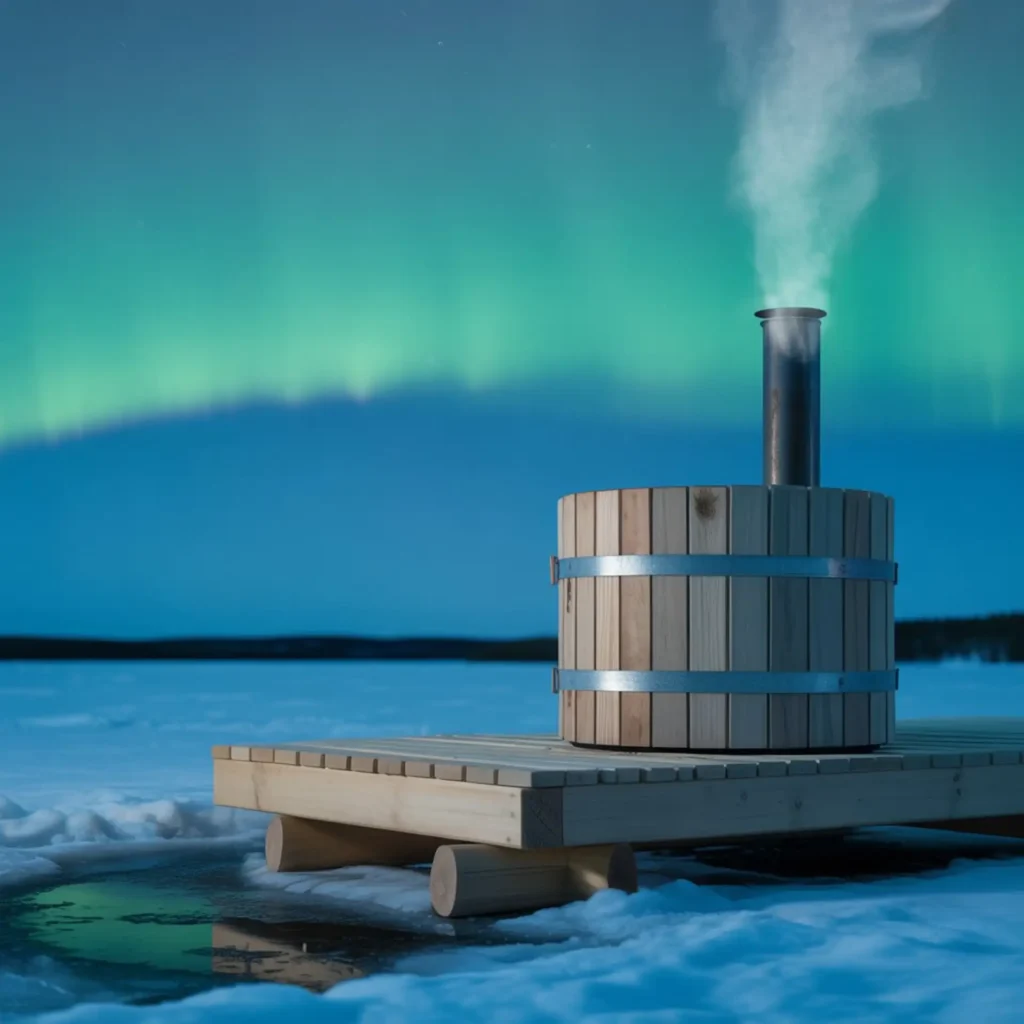
One has not really been to Estonia before being in a sauna at night. The smoke sauna tradition of South Estonia (Voromaa), which became part of 2026 UNESCO heritage, is still a spiritual experience. It is not a matter of heat only, it is also the matter of leil (steam) and the rich culture bond between the participants.
Practical Travel Tips for 2026
Connectivity is a Utility
Even in the middle of a forest, in Estonia, 5G coverage is almost everywhere. Being a traveller, the bedside move would be to install an eSIM before arriving. This gives you an opportunity to access local networks to get high speed data at a fraction of the cost of roaming.
Transport is (Mostly) Digital
Public Transport: In Tallinn, people do not have to pay anything to use a public transport. In the case of tourists, at any front bus or tram door, all they need to do is to place their contactless bank card in the validator.
Bolt: Bolt is a ride sharing giant which was born in Estonia. When not taking the trams, it is the most effective and cheap mode of travel.
Safety and Language
Estonia is always ranked among the safest countries in the world. Almost all people below 50 years speak English fluently, particularly in the service sector as well as in the technology fields.
Estonia 2026: Frequently Asked Questions (FAQ).
Could Estonia belong to the European Union and Euro?
Yes, Estonia became a part of EU in 2004 and uses Euro since 2011. It also belongs to the Schengen Area and the travel between the other European countries is trouble free.
When is the most appropriate time to go to Estonia?
In the case of White Nights: Visit in June; the sun sets barely, and the nation is celebrating Jaanipaev (Midsummer).
Regarding Winter Magic: Visit December in order to experience the world received Christmas markets and possible snow.
In the case of Digital Nomads: Spring (May): it is the best time of the year to get a good mix of mild weather and the best networking such as Latitude59.
What is the difference between citizenship and e- Residency?
No. E-Residency offers business related digital identity but not citizenship, physical residency, or an access to entering Estonia and the EU. It is not a travel document.
How expensive is Estonia?
Estonia is cheaper than Scandinavia, but not as much as its southern neighbours, Latvia and Lithuania. A middle range meal in Tallinn would cost between EUR25-EUR40 per head.
Conclusion: A Big Nation in a Small Country.
By 2026, it is not only that Estonia has become a post Soviet success story but also a leader to be aspired to by other countries worldwide. It strikes a balance between an intense respect of its rough character and a medieval heritage with a ruthless adherence of a paperless, AI-fueled future.
No matter what you come to Estonia to hike into the bogs or start a tech venture or just to grab a craft beer in a medieval square, Estonia will leave you feeling both down-to-earth and light years into the future.

